ByJohn A
How Real-World Assets Are Being Tokenized
Real-world assets are increasingly converted into programmable tokens, leveraging standardized data, registries, and smart contracts to encode ownership, rights, and value. The process ties physical and contractual instruments to digital records, enabling cross-border liquidity and transparent pricing while demanding rigorous data integrity and compliant governance. Markets experiment with real estate, commodities, and receivables, balancing efficiency gains against regulatory and operational risk. The path forward hinges on robust standards and trusted, auditable workflows that scale.
What Real-World Assets Are Tokenized
Real-world assets (RWAs) are tangible and contractual items—such as real estate, commodities, or receivables—that are converted into digital tokens on a blockchain. Tokenized realms emerge when these assets are represented with programmable rights and liquidity. However, asset frictions persist—jurisdictional, valuation, and regulatory hurdles—requiring rigorous standardization, data integrity, and transparent governance to unlock scalable, freedom-enhancing token markets.
How Tokenization Works: From Asset to Digital Token
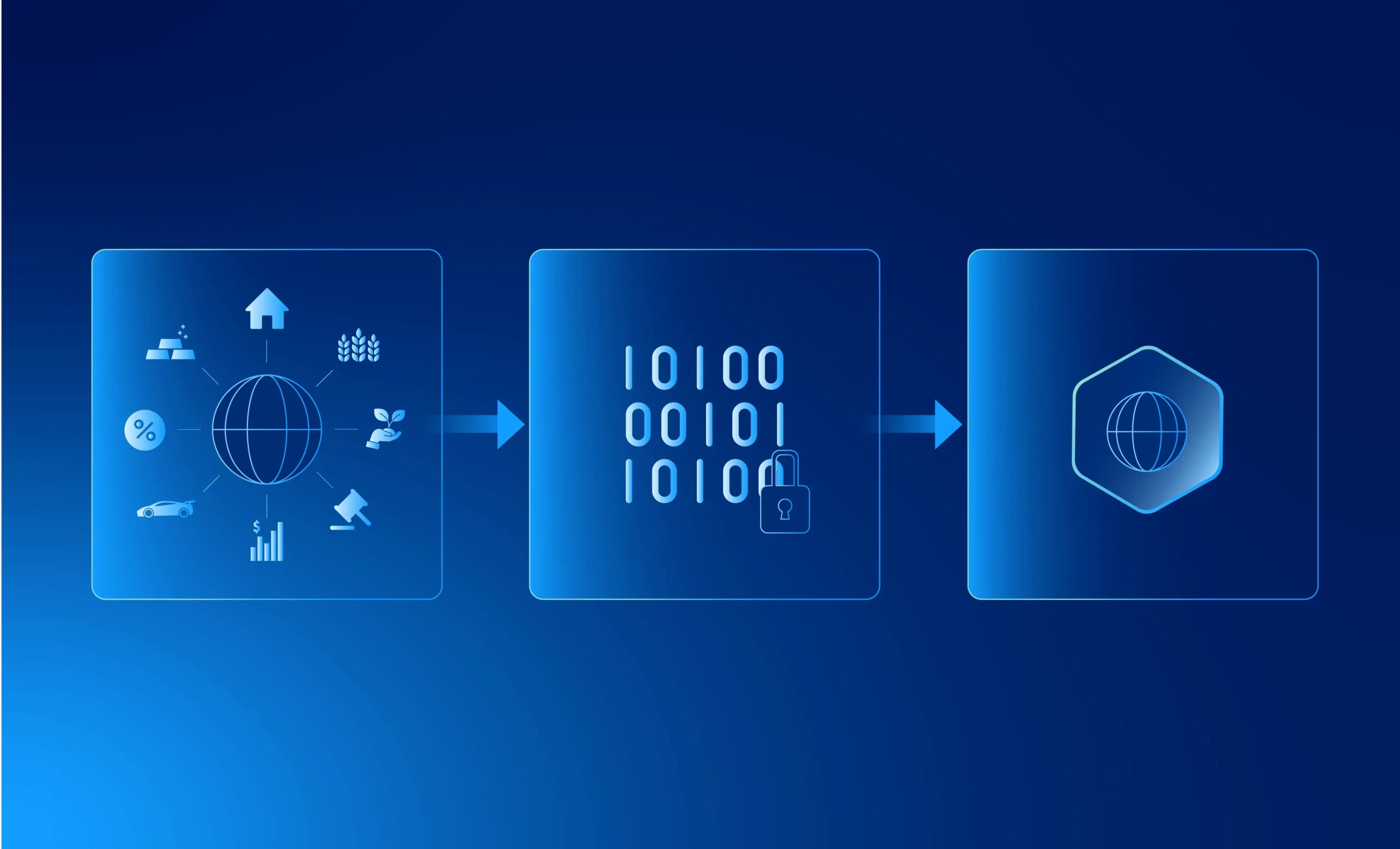
How does a tangible asset become a digital token? Through standardized workflows that translate rights, ownership, and value into digital records. Token standards define format, transferability, and security properties, enabling interoperable tokens. Asset registries catalog provenance, validity, and lien status, anchoring trust. Smart contracts automate compliance, settlement, and rights updates, delivering efficient, programmable liquidity while preserving verifiable sovereignty and scalable, data-driven transparency.
See also: bleepmedia
Benefits, Risks, and Governance of Tokenized Assets
Tokenized real-world assets offer a new spectrum of benefits, risks, and governance considerations that shape investor access, capital efficiency, and market integrity. This framework highlights improved liquidity and transparent pricing, while acknowledging potential increases in operational complexity and regulatory exposure. Payment friction is mitigated by streamlined settlements, yet Legal compliance remains essential, requiring rigorous data controls, auditing, and ongoing governance oversight.
Markets, Use Cases, and Investor Considerations
Markets for tokenized real-world assets unfold across diverse sectors, from real estate and supply chain finance to securitized debt and royalty streams, enabling fractional ownership, cross-border access, and rapid settlement dynamics.
The discourse weighs tokenization ethics and regulatory alignment, highlighting investor considerations: transparency, custody, liquidity pathways, and risk-adjusted benchmarks, while demonstrating a pragmatic, data-informed path toward scalable, freedom-enhancing market infrastructures.
Conclusion
Real-world assets are becoming programmable, with standardized token standards, registries, and smart contracts linking tangible value to digital records. One striking stat: asset-backed token markets have grown by double digits annually, signaling rapid adoption and increasing liquidity. The data-driven approach reveals tangible benefits—transparent pricing, cross-border settlement, and automated compliance—while underscoring governance, data integrity, and regulatory alignment as critical risk mitigants. Visionaries see a future where tokenized real assets unlock scalable, inclusive, and resilient financial ecosystems.